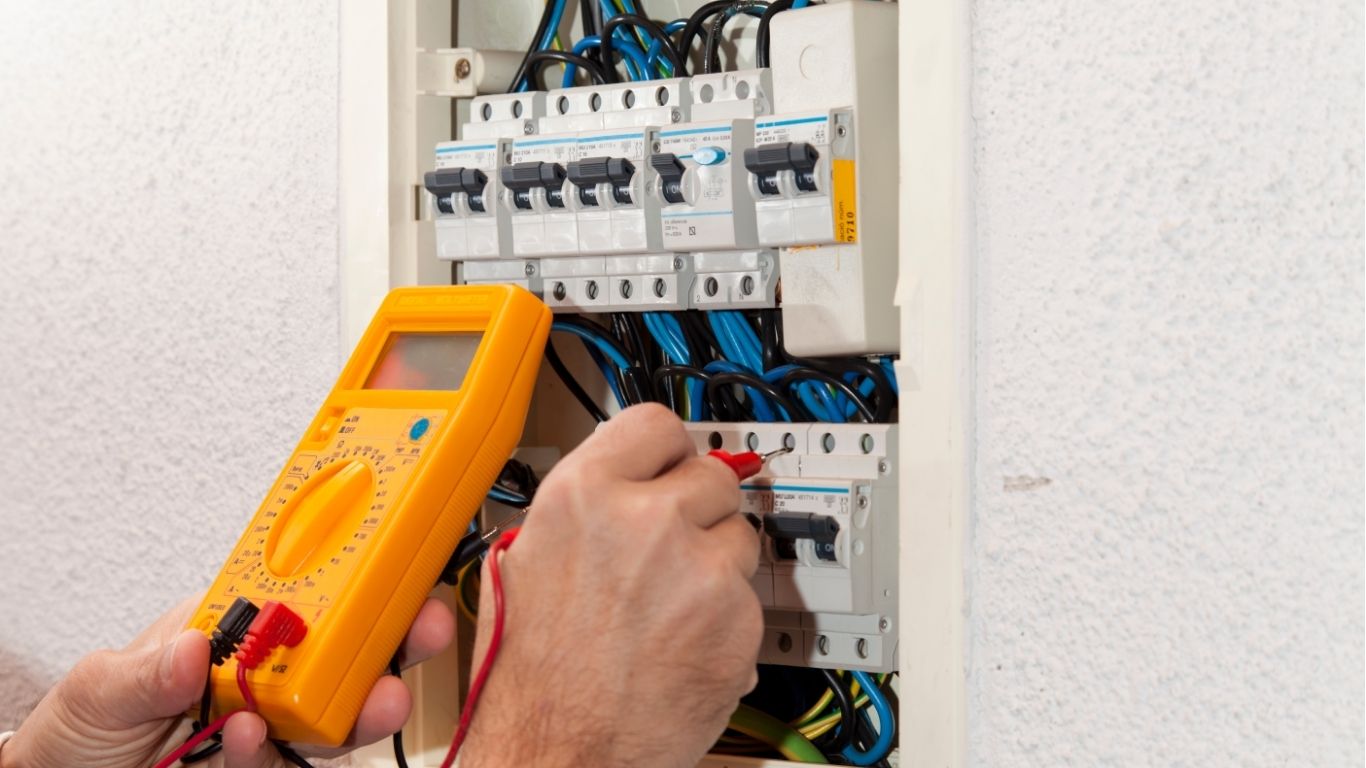
The electrical panel is the heart of your home’s power system, distributing electricity to every room, appliance, and device you own. It acts as the central hub where the power from the utility grid enters your property and is divided into distinct circuits that fuel your daily life. In Commerce City, CO, where older homes often sit alongside modern developments, ensuring this system is up to date is critical for both safety and efficiency.
In many of the historic bungalows near the core of the city, we often find panels that were adequate forty years ago but are now dangerously overburdened by modern electronics. Conversely, in newer subdivisions, the demand for electric vehicle charging and high-efficiency HVAC systems is pushing even relatively new systems to their limits. At Wavelength Electricians, we specialize in helping homeowners navigate the complexities of upgrading their service, ensuring reliable power that meets today’s rigorous demands. Electrical work is not a place to cut corners; it requires a deep understanding of load dynamics, thermal management, and safety protocols.
Table of Contents
What are the different types of electrical panels?
Understanding your equipment is the first step toward a safer home. While they may all look like grey metal boxes to the untrained eye, the functionality and purpose of electrical panels vary significantly. Most residential properties rely on a combination of the following:
Main Breaker Panels This is the most common setup found in Commerce City homes. The main breaker panel features a built-in main disconnect switch usually rated for 100, 200, or sometimes 400 amps that can shut off power to the entire house in a single motion. It houses the busbars that distribute current to individual circuit breakers. In modern installations, we almost exclusively recommend 200-amp panels to future-proof the home against increasing electrical demands.
Sub-panels are satellite distribution points. They are ideal for additions, detached garages, or finished basements. These panels receive their power from the main panel and distribute it to a specific area, but they do not have a main disconnect for the whole home. Sub-panels are excellent for reducing voltage drop on long wire runs and for decluttering a stuffed main panel, allowing for better organization of your circuits.
Transfer Switches With weather patterns in Colorado becoming increasingly unpredictable, energy resilience is on many homeowners’ minds. Transfer switches are essential for homes with backup generators. They allow you to safely switch between utility power and your generator during an outage. Without a transfer switch, connecting a generator can cause “back-feeding,” which sends dangerous voltage back onto the utility lines, putting line workers at risk of electrocution.
Choosing the right hardware is just the beginning. A professional electrical panel installation ensures that whichever system you choose is sized correctly for your load requirements and installed according to local code.
What is the installation process like?
A proper installation is a structured process designed to minimize disruption while maximizing safety. It is not merely swapping one box for another; it is a comprehensive service upgrade. It typically follows these steps:
Assessment & Load Calculation Before we touch a screwdriver, we do the math. We evaluate your current usage and future needs (like EV chargers, hot tubs, or basement finishes) to determine the correct amperage. We perform a formal load calculation based on National Electrical Code (NEC) standards to ensure your new panel can handle the total volt-amperes your home consumes without overheating.
Permitting Electrical work involves significant regulatory oversight. We handle all necessary permits with the City of Commerce City Building Safety Division to ensure compliance. This step is crucial not just for safety, but for your home’s resale value and insurance validity.
Installation On the day of installation, we coordinate with the local utility provider (such as Xcel Energy or United Power) to disconnect service. The old unit is removed, and the new panel, breakers, and grounding systems are installed. This often involves driving new copper grounding rods into the earth and bonding your water and gas pipes to ensure a comprehensive safety net against surges.
Labeling a confusing panel is a dangerous panel. Every circuit is clearly labeled per NEC 408.4 standards for easy identification. We create a legible, typed directory so you never have to guess which breaker controls the kitchen lights or the furnace.
Final Inspection Once our work is done, a city inspector verifies the work to ensure it meets all safety regulations. They check for proper torque on wire connections, correct wire sizing, and adherence to code, providing you with a final seal of approval.
When should I upgrade my electrical panel?
Many homeowners unknowingly live with outdated or dangerous panels, assuming that if the lights turn on, everything is fine. However, electrical components degrade over time. You should consider a replacement if you notice flickering lights, frequently tripping breakers, or if your home still uses a fuse box.
The “Vintage” Danger If your home was built between the 1950s and 1980s, check if you have a Federal Pacific Stab-Lok or a Zinsco panel. These specific brands have lost their UL listing due to high failure rates; the breakers often fail to trip during a short circuit, leading to fires. If you have one of these, an immediate upgrade is recommended.
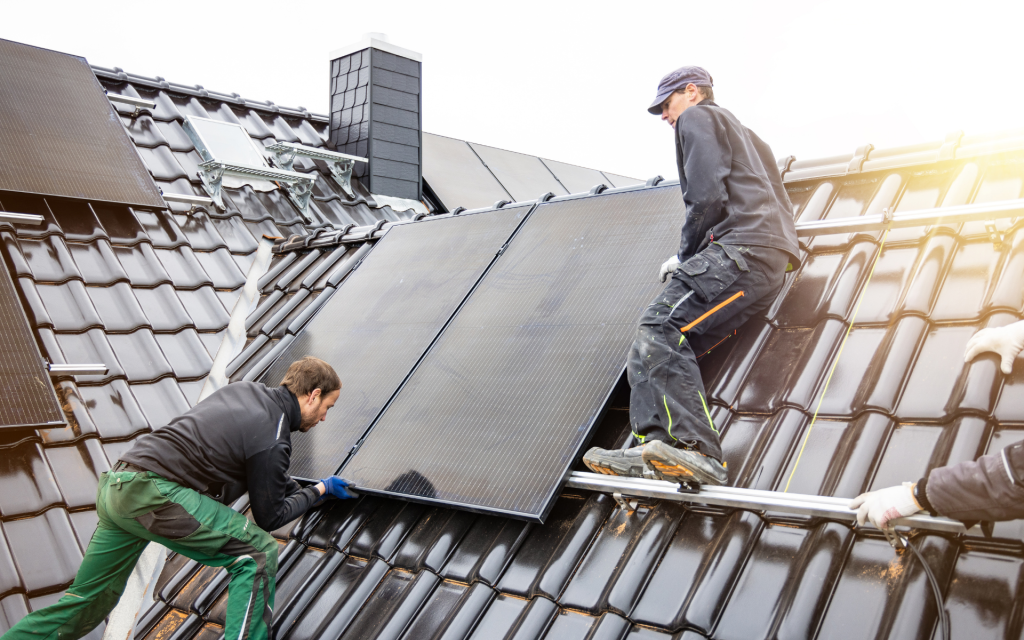
Renovation and Expansion If you are planning a major renovation, a comprehensive safety inspection can reveal if your current system has the capacity to handle the increased load. Modern kitchens with induction cooktops, double ovens, and instant hot water dispensers are power-hungry. Similarly, adding a central air conditioning unit or a Level 2 EV charger can easily overload a standard 100-amp service. Panels older than 25 years often lack modern safety features like arc-fault protection, making an upgrade a smart investment in your property’s safety infrastructure.
What are the key safety and code requirements?
Commerce City follows the 2023 National Electrical Code (NEC), which introduces several important safety mandates for new installations. These are not just bureaucratic hoops; they are life-saving technologies.
Surge Protection Modern homes are filled with sensitive microprocessors, from your refrigerator to your washing machine. New services must now include a Type 1 or Type 2 Surge Protective Device (SPD) permanently installed at the panel. This protects your expensive electronics from voltage spikes originating from the grid or lightning strikes.
Emergency Disconnects For single-family homes, an emergency disconnect must be installed outside, typically near the meter. This allows firefighters and first responders to cut power to the home safely from the exterior without having to enter a burning or compromised building.
GFCI & AFCI Protection The code now requires rigorous protection standards. Ground Fault Circuit Interrupters (GFCI) are designed to prevent shock in wet areas like bathrooms, kitchens, and garages. Arc Fault Circuit Interrupters (AFCI) detect dangerous electrical arcs—caused by loose screws or nails hitting wires inside walls and shut off power before a fire can start. These are now required in almost all living areas, including bedrooms and living rooms.
How do I ensure long-term performance?
Your new electrical panel is designed to last for decades, but like any mechanical system, it benefits from care. Once your new panel is installed, maintenance is key to longevity.
Keep the Area Clear It is tempting to hide the industrial-looking grey box behind coats, shelves, or storage boxes. However, the NEC requires a working space of 30 inches wide, 36 inches deep, and 78 inches high in front of the panel. This ensures that you or an electrician can access it quickly in an emergency.
Regular Testing Periodically test your GFCI and AFCI breakers to ensure they are functioning correctly. These breakers have a “Test” button that simulates a fault. Pressing it should trip the breaker immediately; if it doesn’t, the protection has failed, and the breaker needs replacement. We recommend doing this when you change your smoke detector batteries.
Thermal Imaging For maximum peace of mind, we can perform thermal imaging scans during routine maintenance. This technology allows us to see “hot spots” invisible to the naked eye, indicating loose connections or overloaded wires before they result in failure.
Ready to Power Up Your Commerce City Home?
Don’t let an outdated electrical panel compromise your safety or limit your lifestyle. Whether you are planning a renovation, buying an EV, or simply want the peace of mind that comes with a modern, code-compliant system, acting now is the best protection for your investment.
At Wavelength Electricians, we are more than just contractors; we are your neighbors dedicated to keeping Commerce City bright and safe. We provide transparent pricing, clear communication, and workmanship that stands the test of time.
Contact Wavelength Electricians Now or call us to speak with a licensed expert. Let’s ensure your home is powered for today and prepared for tomorrow.