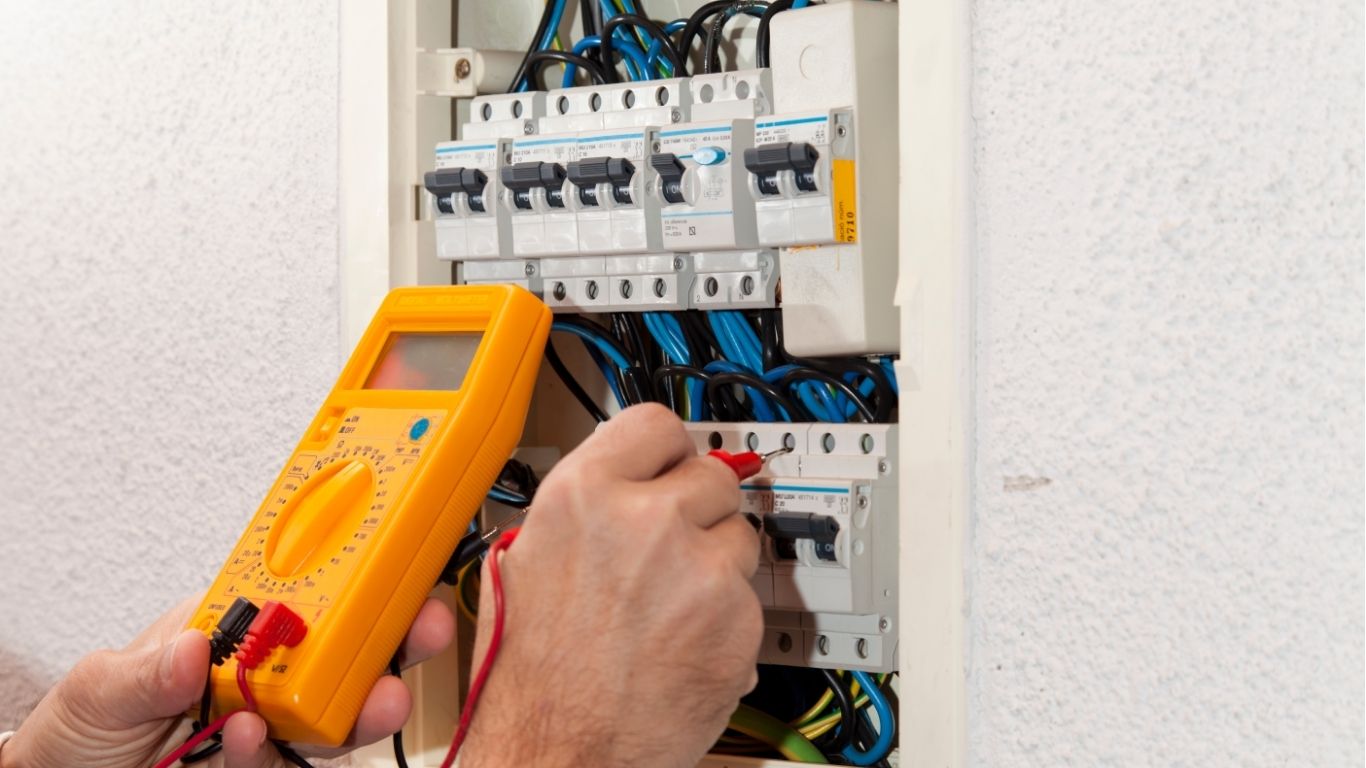
Lighting is the silent mood setter of your home. It dictates how a space feels, how well it functions, and how safe it is for your family. In Commerce City, CO, where we experience everything from bright summer sun to dark, snowy winter nights, the quality of your home’s illumination system is paramount.
While changing a burnt-out bulb is a simple task for any homeowner, designing a lighting plan and installing new fixtures is a complex electrical undertaking. Whether you are looking to brighten a dim kitchen, add security to your perimeter, or completely retrofit an older home, partnering with a professional lighting contractor is the only way to ensure the job is done right.
This guide serves as your comprehensive resource for understanding residential lighting. We will explore the types of lighting, the critical importance of safety and code compliance, energy efficiency strategies, and exactly what to look for when hiring a professional in the Commerce City area.
Table of Contents

The Role of a Professional Lighting Contractor
A lighting contractor is more than just an electrician; they are a specialist in both the art and science of illumination. While a general electrician may focus primarily on wiring and circuits, a lighting contractor helps you design a system that blends aesthetics with functionality.
Attempting to DIY your lighting installation can lead to lackluster results or, worse, dangerous safety hazards. A professional brings three key assets to your project:
- Electrical Expertise: They understand load calculations, wire sizing, and circuit mapping to prevent overloads.
- Design Vision: They know how to layer light to create depth, warmth, and utility.
- Code Knowledge: They are well-versed in local Commerce City building codes and the National Electrical Code (NEC), ensuring your installation is legal and insurable.
The Three Layers of Lighting Design
A common mistake in DIY lighting is relying on a single overhead source to light an entire room. This creates harsh shadows and a flat, uninviting atmosphere. A professional lighting contractor will design your space using three distinct layers of light.
1. Ambient Lighting (General)
This is the foundation of your lighting plan. Ambient light replaces natural daylight and provides the overall illumination for a room.
- Fixtures: Recessed “can” lights, flush-mount ceiling fixtures, chandeliers, and ceiling fans.
- Goal: To provide safe, uniform light levels for walking and general visibility without causing glare.
2. Task Lighting (Functional)
As the name implies, this layer is designed for specific activities. It targets the areas where you work, read, cook, or groom.
- Fixtures: Under-cabinet strips in the kitchen, vanity lights in the bathroom, pendant lights over a kitchen island, and reading lamps.
- Goal: To eliminate shadows on work surfaces and reduce eye strain during detailed tasks.
3. Accent Lighting (Decorative)
This is the “jewelry” of the room. Accent lighting is used to highlight architectural features, artwork, plants, or textures. It adds drama and dimension.
- Fixtures: Track lighting, wall sconces, directional recessed cans, and LED tape lights in coves or shelving.
- Goal: To draw the eye to focal points and create a sophisticated, custom look.
Indoor Lighting: Applications and Upgrades
Modernizing your indoor lighting can make your home feel brand new. A qualified contractor can assess your current wiring and suggest upgrades that improve both style and function.
Kitchens: The Heart of the Home The kitchen requires the most complex lighting plan. You need bright, shadow-free light for chopping vegetables (Task), general light for cleaning and entertaining (Ambient), and perhaps soft lighting for late-night snacking (Accent).
- Contractor Tip: Installing dimmable recessed lighting allows you to transition the kitchen from a bright workspace during the day to a moody entertaining space at night.
Living Rooms and Dens These multi-purpose rooms benefit heavily from layered lighting. Avoid the “Swiss cheese” look of too many recessed lights. Instead, use a combination of recessed perimeter lights to wash the walls and a central fixture or ceiling fan for comfort.
Bathroom safety and accuracy are key here. A single fixture above the mirror often casts shadows on the face, making grooming difficult. Sconces mounted at eye level on either side of the mirror provide the most flattering and effective illumination.
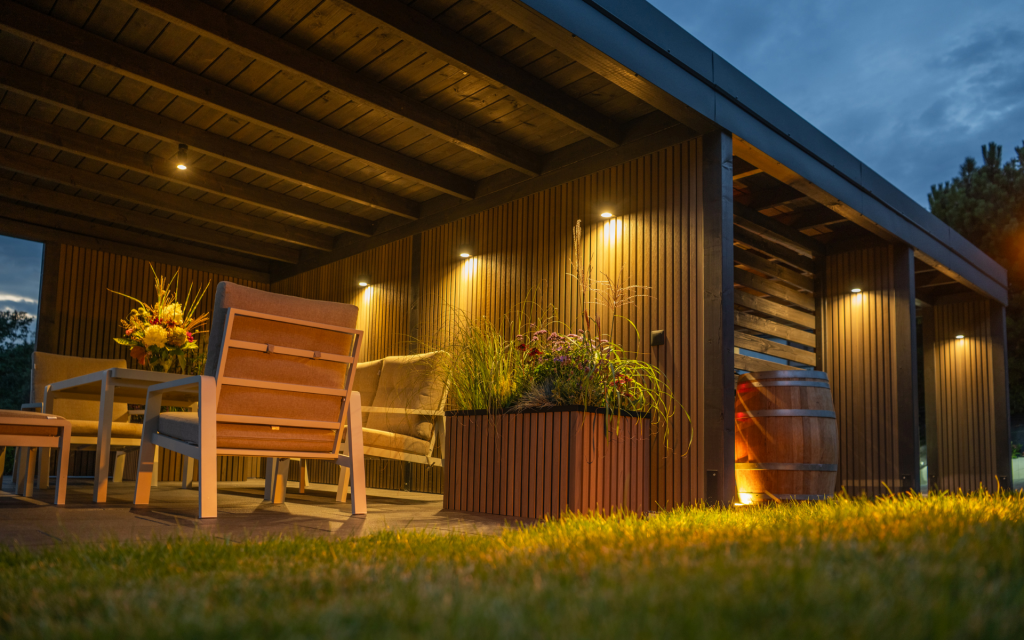
Outdoor and Landscape Lighting in Commerce City
Exterior lighting is not just about curb appeal; it is a critical component of home security and safety. In Commerce City, our specific weather conditions—including heavy snow, wind, and intense sun dictate the type of fixtures and installation methods required.
Weather-Resistant Installations
Your lighting contractor must use fixtures with the appropriate IP (Ingress Protection) ratings to withstand moisture and dust. In Colorado, where freeze-thaw cycles are common, burying wiring at the correct depth and using proper conduit is essential to prevent frost heave from damaging your system.
Security Lighting
A well-lit home is a deterrent to crime. Motion-sensor floodlights are a popular choice for driveways and back alleys.
- Dusk-to-Dawn Sensors: These ensure your perimeter is lit automatically when the sun goes down, providing peace of mind without you having to flip a switch.
Landscape and Path Lighting
Navigating icy walkways in the dark is a recipe for injury. Path lights ensure that visitors can safely reach your front door. Furthermore, uplighting trees or texturing stone walls can turn your yard into a visual masterpiece at night.
- Local Ordinance Note: Commerce City has specific codes regarding “light trespass.” This means your outdoor lights must be shielded so they do not shine directly into a neighbor’s window or blindingly into the street. A professional contractor ensures all fixtures are aimed and shielded to be “Dark Sky” friendly while still effective.
Energy Efficiency: The LED Revolution
If your home is still using incandescent or halogen bulbs, you are paying too much for electricity. A lighting contractor can transition your entire home to LED technology, which offers massive benefits:
- Cost Savings: LEDs use up to 90% less energy than traditional bulbs.
- Longevity: A quality LED fixture can last 25,000 to 50,000 hours, meaning you won’t change a bulb for decades.
- Heat Reduction: Old bulbs emit 90% of their energy as heat. Switching to LEDs keeps your home cooler in the summer, reducing the load on your air conditioning.
Understanding Color Temperature (Kelvin)
One of the biggest complaints about early LEDs was their “cold” or “blue” look. Today, you have options. Your contractor will help you select the right Kelvin (K) temperature for each room:
- 2700K – 3000K (Soft White): Warm and cozy, ideal for bedrooms and living rooms.
- 3500K – 4100K (Cool White): Bright and energetic, perfect for kitchens and workspaces.
- 5000K – 6500K (Daylight): Very bright and blue-hued, generally reserved for garages or detailed workshop areas.
Why Professional Installation is Critical for Safety
Electricity is dangerous. According to the National Fire Protection Association, electrical failures are a leading cause of home fires. Hiring a licensed lighting contractor mitigates these risks through:
1. Proper Load Calculation Modern homes have more devices than ever. Adding high-output lighting to an already loaded circuit can cause breakers to trip constantly or wires to overheat. A contractor performs a load calculation to determine if your panel can handle the upgrade or if a dedicated circuit is needed.
2. NEC 2023 Compliance Commerce City adheres to strict building codes based on the National Electrical Code (NEC).
- GFCI Protection: All outlets and fixtures in wet areas (kitchens, bathrooms, outdoors) must have Ground Fault Circuit Interrupter protection to prevent shock.
- AFCI Protection: Arc Fault Circuit Interrupters are required in many living areas to detect dangerous arcing that can start fires inside walls.
3. Grounding Older homes may lack proper grounding, which is essential for safety and for the proper function of modern surge protectors. A contractor ensures every new fixture is bonded to the ground system.
How to Hire the Right Lighting Contractor
Not all contractors are created equal. When vetting a professional for your project in Commerce City, look for the following:
- Licensing and Insurance: Ensure they hold a valid Colorado electrician’s license and carry liability insurance. This protects you if damage occurs during the project.
- Portfolio: Ask to see photos of past projects, specifically similar to what you want (e.g., under-cabinet lighting or landscape lighting).
- Warranty: A reputable contractor stands by their work. Look for a warranty on both labor and the fixtures they supply.
- Detailed Estimates: Avoid verbal quotes. Get a written estimate that breaks down the cost of materials, labor, and permits.
Contact Us for Your Lighting Needs
Don’t settle for dim rooms, flickering bulbs, or unsafe wiring. Whether you need a full home retrofit, a kitchen lighting upgrade, or a secure outdoor lighting plan, we are here to help.
At Wavelength Electric LLC, we understand the unique needs of Commerce City homeowners. We combine technical expertise with design sensitivity to create spaces that are safe, efficient, and beautiful.
Ready to brighten your home? Contact us today to schedule a consultation with an expert lighting contractor.
Do you need a specific breakdown of “Smart Home” lighting controls, or would you like to see a comparison of Solar vs. Hardwired landscape lighting?